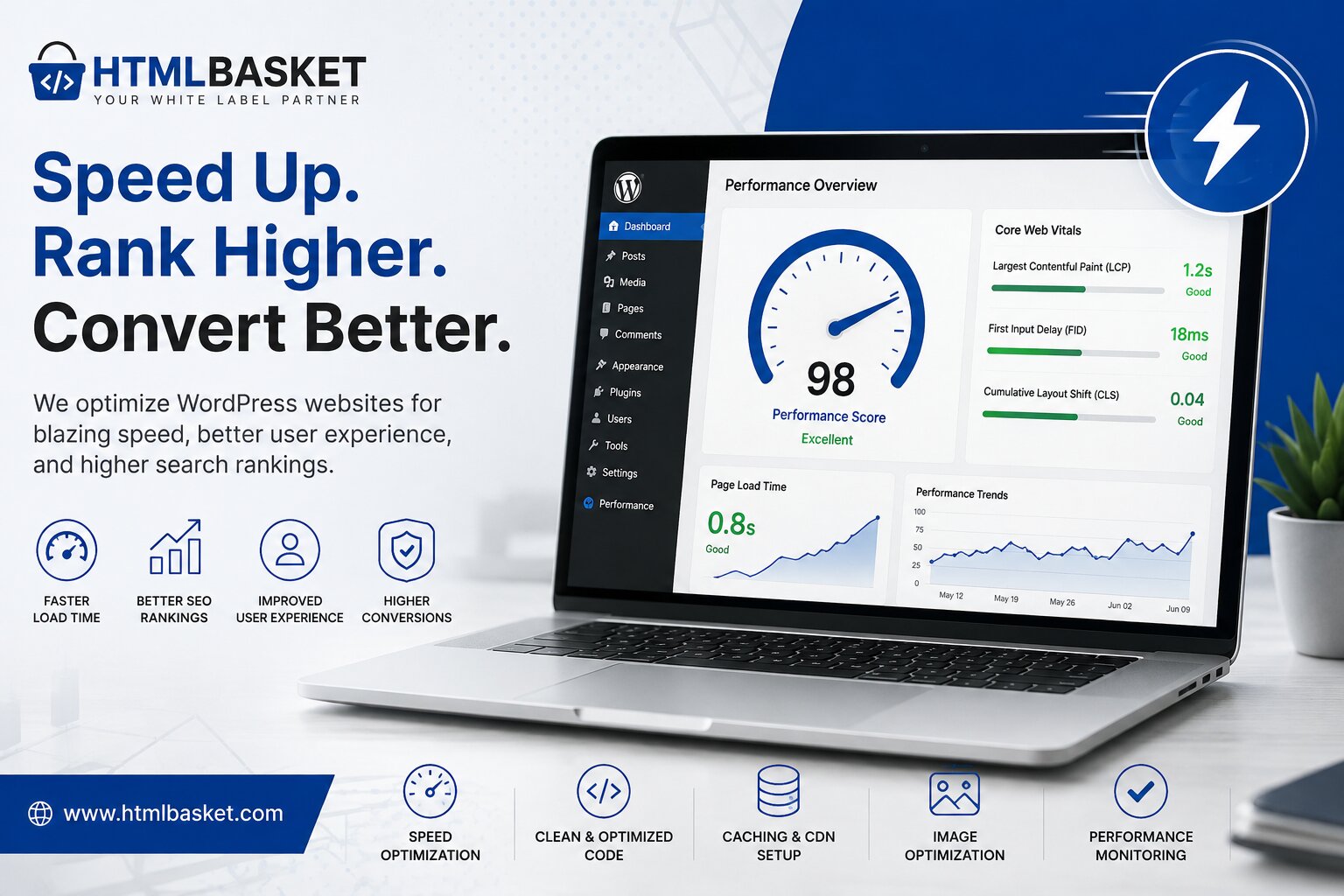
Web development continues to evolve, and following modern web development best practices is essential for building fast, responsive, and user-friendly websites. Whether you are a beginner or an experienced web developer, these practical web development tips will help you improve performance, accessibility, and code quality.
1. Plan Before You Code
Jumping straight into coding often leads to rewrites later.
Before writing code:
-
Define the goal of the website
-
Sketch basic layouts or wireframes
-
Decide on folder structure and naming conventions
A little planning saves hours of cleanup.
2. Focus on Accessibility from Day One
Accessible websites reach more users and perform better overall.
Key accessibility practices:
-
Use proper heading hierarchy (
h1toh6) -
Add
alttext for images -
Ensure good color contrast
-
Make forms keyboard-friendly
Accessibility isn’t extra work—it’s good development.
3. Reusable Code Is Powerful Code
Avoid repeating yourself. Reusable components make your project cleaner and easier to scale.
Examples:
-
Common buttons and cards
-
Shared layout sections
-
Utility CSS classes
-
JavaScript helper functions
Reusable code = faster development + fewer bugs.
4. Don’t Ignore Website Security
Even simple websites can be targets.
Basic security tips:
-
Validate user input
-
Avoid exposing sensitive data in frontend code
-
Keep libraries and dependencies updated
-
Use HTTPS everywhere
Security should be part of your workflow, not an afterthought.
5. Keep Your File Structure Simple
A clean project structure makes collaboration and maintenance easier.
Good habits:
-
Separate CSS, JS, and assets clearly
-
Use meaningful file names
-
Avoid deeply nested folders unless necessary
Future-you (and your teammates) will thank you.
6. Test Features as You Build Them
Waiting until the end to test usually means more bugs.
Instead:
-
Test small changes immediately
-
Check layouts after each major update
-
Verify forms, buttons, and links often
Small tests prevent big headaches.
7. Performance Matters More Than Ever
Users expect instant results. Even a one-second delay can reduce engagement.
Improve performance by:
-
Reducing DOM size
-
Avoiding heavy animations
-
Loading scripts only when needed
-
Using modern image formats
Fast websites feel professional and trustworthy.
8. Write Code for Humans, Not Just Browsers
Code readability is just as important as functionality.
Write better code by:
-
Using clear variable and function names
-
Adding comments where logic isn’t obvious
-
Keeping functions short and focused
Readable code is easier to debug, improve, and share.
Final Thoughts
Becoming a better web developer isn’t about learning everything—it’s about applying the right practices consistently. Small improvements in structure, performance, and accessibility add up to high-quality websites.
Keep experimenting, keep refining, and keep building. The web rewards developers who care about both code and users 💻✨